TYPES OF URBAN
GARDENS
Urban Gardens School
.
An option to include environmental education increasingly
seated within formal education in the curriculum of the students is the "
Urban Garden School " , posing it as a school project that can benefit the
alumni of all levels . Much of the value
of an initiative such as " Urban Garden School " is because it is an
educational resource section, since its contents are designed to develop the
capabilities of students beyond the area of science . The educational potential
of this project are large, but their goals are clear :
• Environmental awareness , to avoid uprooting the students
respect the land and its natural environment and promote closer attitudes of
respect to the environment .
• The development of personal autonomy , having alumni to
learn to cope in a new task for them.
• Socialization , because it requires teamwork to achieve a
common goal.
• The acquisition of hygiene , health and body care related
to physical exercise and good nutrition
• The enhancement of critical and analytical capacity
through the implementation of the scientific method in exploring , collect data
and consider and solve problems.
Therapeutic Urban
Gardens .
The therapeutic Urban gardens on Aging are spaces created on
site of senior centers that offer a playful alternative plan framed in active
aging , and that the use of the therapeutic value of plants is very beneficial
for improving the physical, psychological , cognitive and social users.
These urban gardens , fully adapted to the characteristics
and needs of users in terms of their physical limitations , and the institution
itself , as far as regards space and facilities , provide an opportunity to
integrate the benefits of gardening and agriculture ecological everyday of the
elderly , increasing their quality of life.
The orthotherapy, or horticultural use for therapeutic
purposes , is widely recognized in other countries with respect to your
application with the elderly people as the effects produced are very obvious
and relevant :
• Combat depression often suffer from a feeling of
abandonment and loneliness , creating in them a responsibility which increases
their self-esteem and decrease the likelihood of certain diseases.
• Contact with nature stimulates your senses , improve motor
function , work tolerance and personal autonomy .
• Encourage the expression of residual knowledge about the
world of agriculture , thus working memory abilities and the elderly self .
Municipal Urban
Gardens .
Most of the current population in most developed countries ,
live in urban areas, where the only contact is with the natural environment are
municipal parks and gardens . These green areas represent urban living spaces,
fulfilling important functions as pockets of nature in the urban environment.
Municipal Urban gardens are facing today as a new concept of
green space where citizen participation is critical. Unlike the gardens and
parks, landscaped and maintained by the municipal services , urban gardens are under
the work and care of the users themselves, thus also acquire a value from the
point of view.
We can say that municipal urban gardens are a tool that
improves the environmental quality of cities and the quality of life of its
citizens and this has been demonstrated in the various initiatives that are
being developed in countries like United States , Britain , Germany and
recently also in Spain .
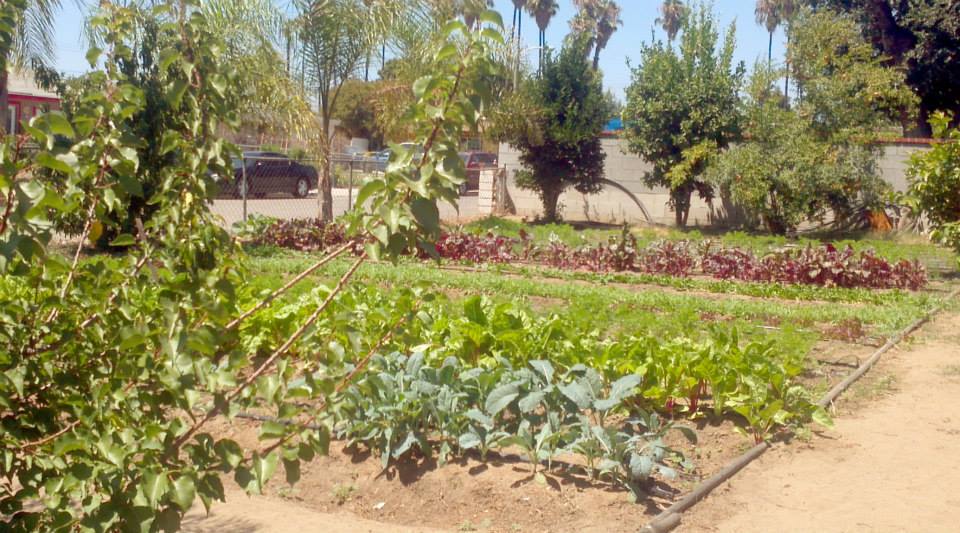
Municipal Urban gardens are public or private land (in this
case the City secondment ) that are prepared and managed by the local
government for use as gardens , divided into small plots that are drawn from
the population. The management of urban gardens and agricultural practices that
are carried out should be guided by sustainability criteria , seeking the
creation of a clean , facilitator of biodiversity and environmental quality
improvement